EN
EN SP
SP FR
FR
- Home
- About Us
- Products
- Service
- Project
- News
- Contact Us
Pulished on Oct. 08, 2023
Noise pollution is a serious problem facing modern cities, negatively affecting people's health and quality of life. When looking for effective noise reduction measures, twin wire fences are considered a potential solution. This article will explore the impact of twin wire fence in reducing noise pollution and analyze its working principle and application.
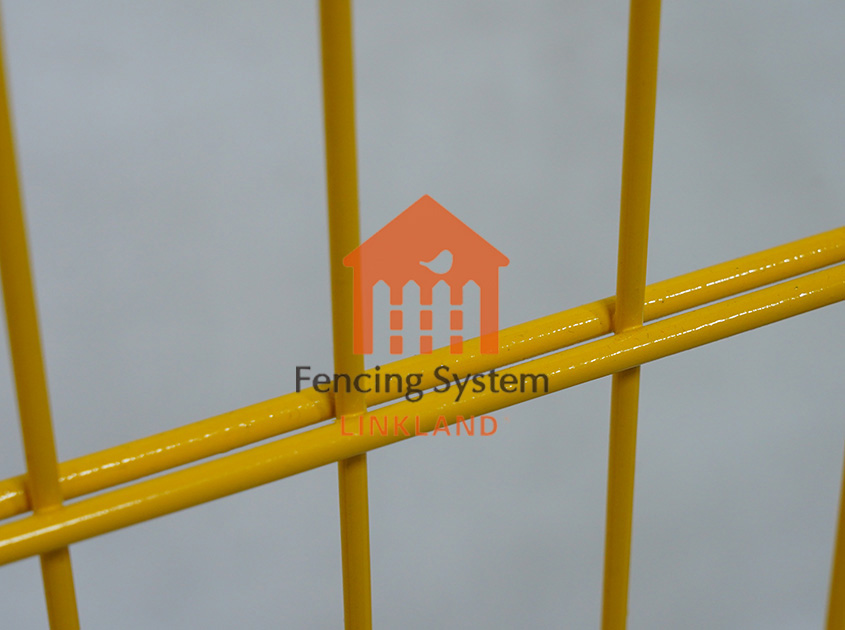
Twin wire fence plays an important role in reducing noise pollution. Its unique structure and material combination provide excellent sound insulation properties. A twin wire fence consists of two layers of metal mesh filled with sound-absorbing material to form a soundproof barrier. This structure can effectively block the spread of noise and reduce the interference of noise to the surrounding environment and people.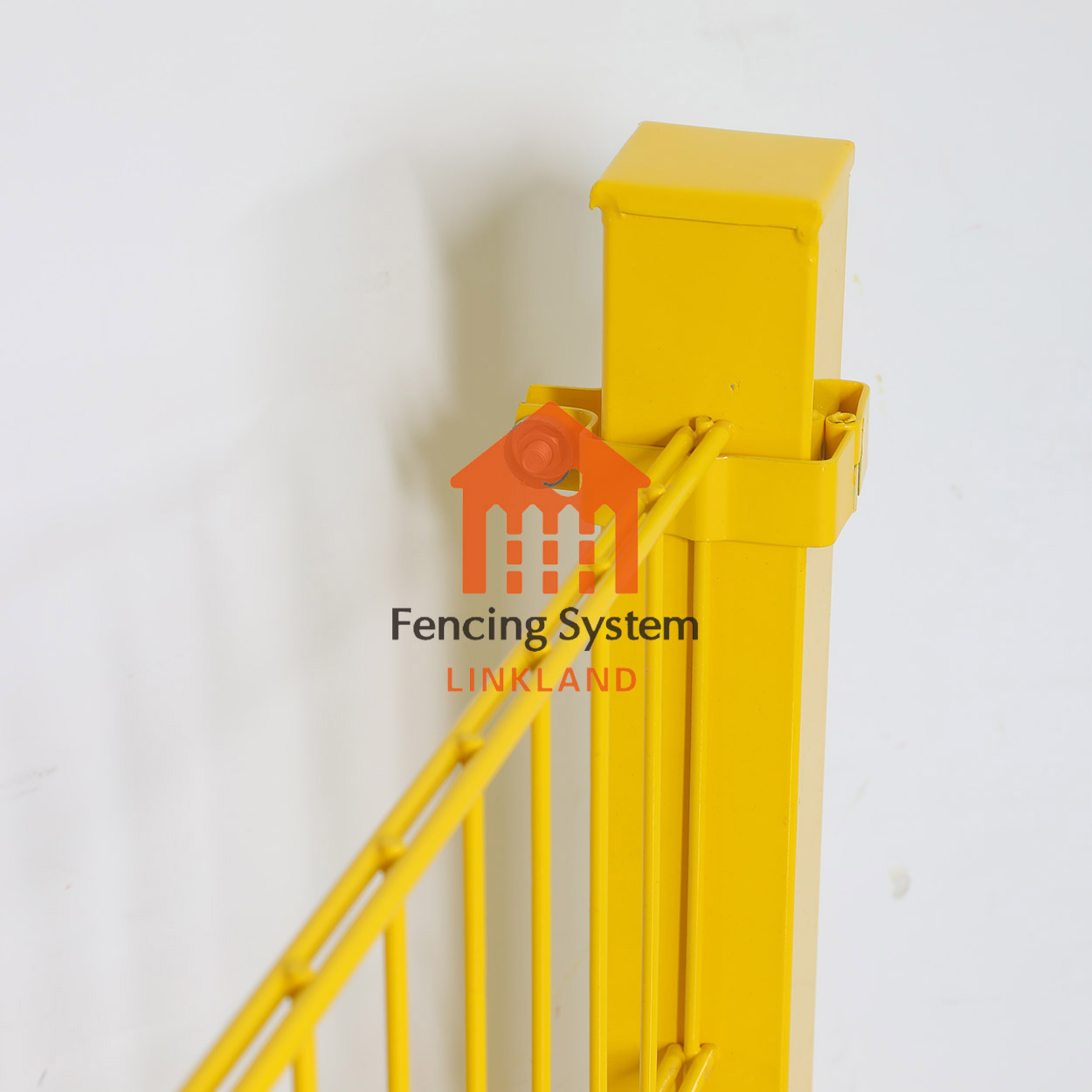
Twin wire fence works by reducing the impact of noise through reflection, absorption and isolation. First, the metal mesh of the fence can reflect some of the noise waves so that they cannot propagate directly to the target area. Secondly, the sound-absorbing materials in the fence can absorb the energy of noise waves and reduce the intensity of the noise. Finally, twin wire fence can isolate the direct sound propagation path between the noise source and the target area, reducing the noise propagation effect.
Twin wire fence is widely used in various scenarios to reduce noise pollution. They are often used wherever noise control is required such as highways, railways, industrial areas and residential areas. Twin wire fence can effectively reduce the transmission of traffic noise, mechanical noise and other environmental noise, providing a quieter living environment for surrounding residents. Additionally, twin wire fences can be used in conjunction with other noise reduction measures, such as vegetation barriers and sound absorbing materials, to further enhance noise control.
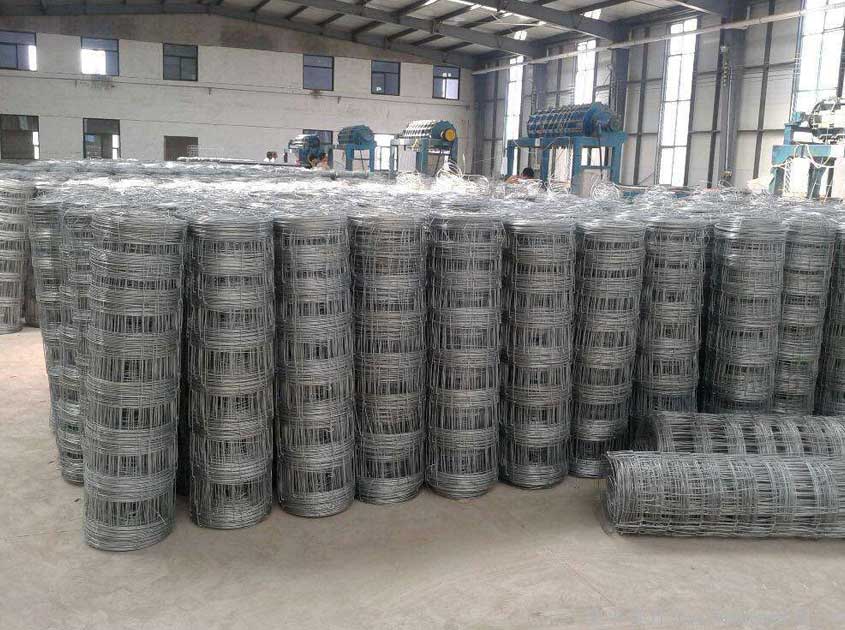
How to Choose Farm Fence for Cattle and Horses: Wire, Height and Design Guide
Pulished on Sep. 23, 2026
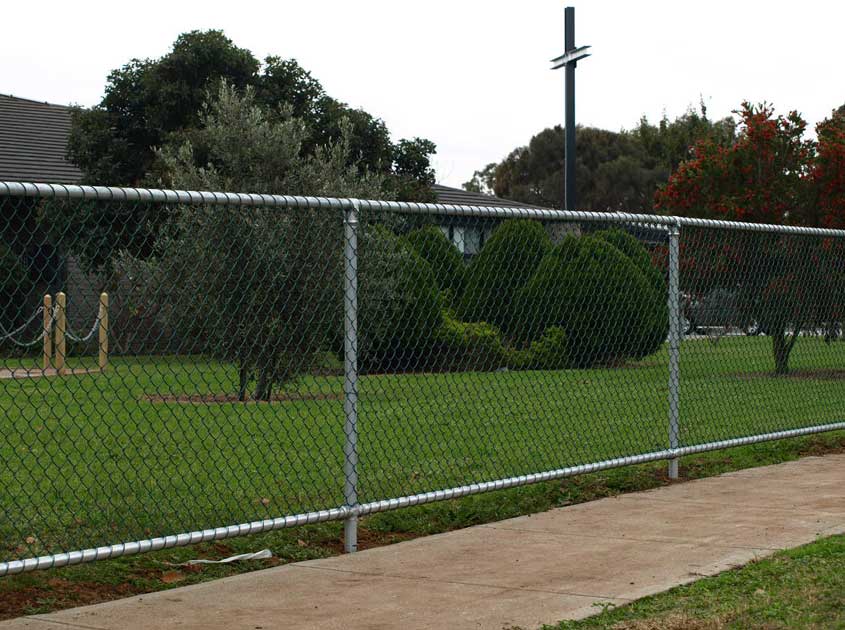
How Is Chain Link Fence Made? Manufacturing Process and Components
Pulished on Sep. 18, 2026
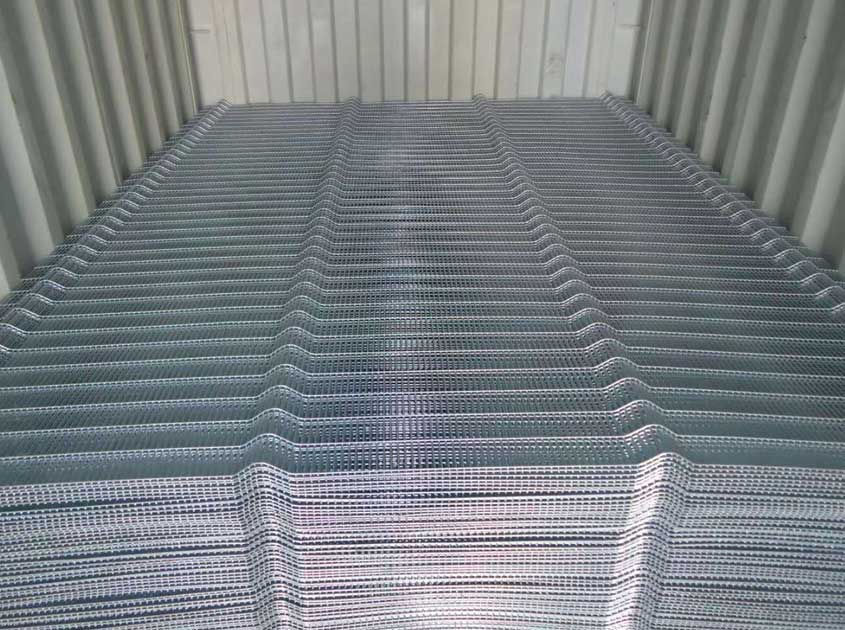
358 Security Fence vs Chain Link Fence: Security, Cost and Application Comparison
Pulished on Sep. 15, 2026

Why Choose Welded Wire Fence for Security and Protection?
Pulished on Sep. 07, 2026
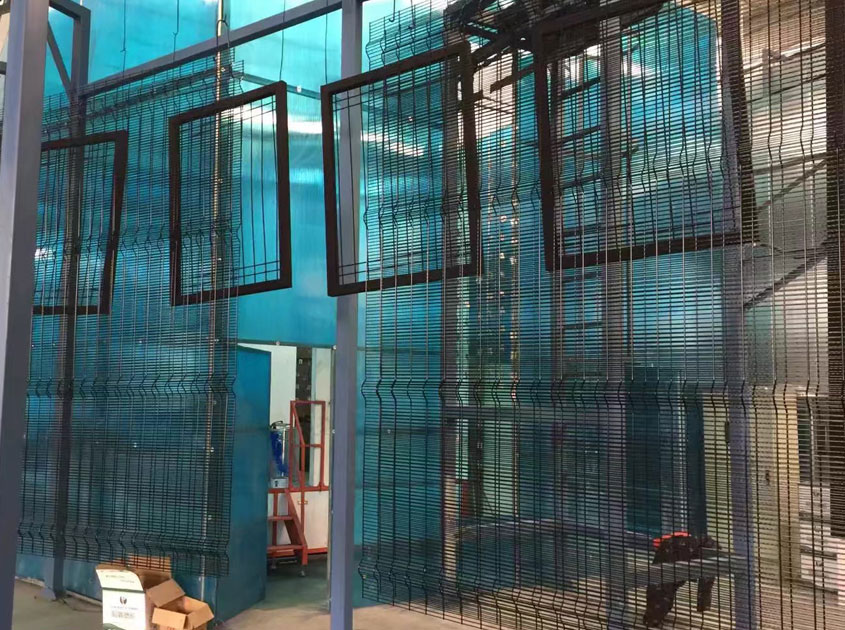
358 Security Fence Specifications and Applications Guide
Pulished on Aug. 27, 2026
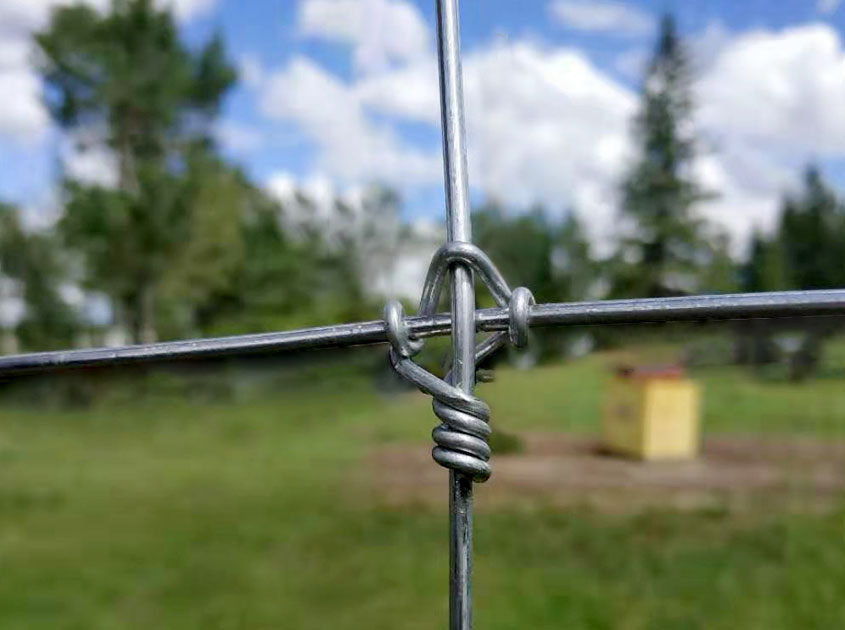
What Is Farm Fence and What Are the Main Types?
Pulished on Aug. 26, 2026
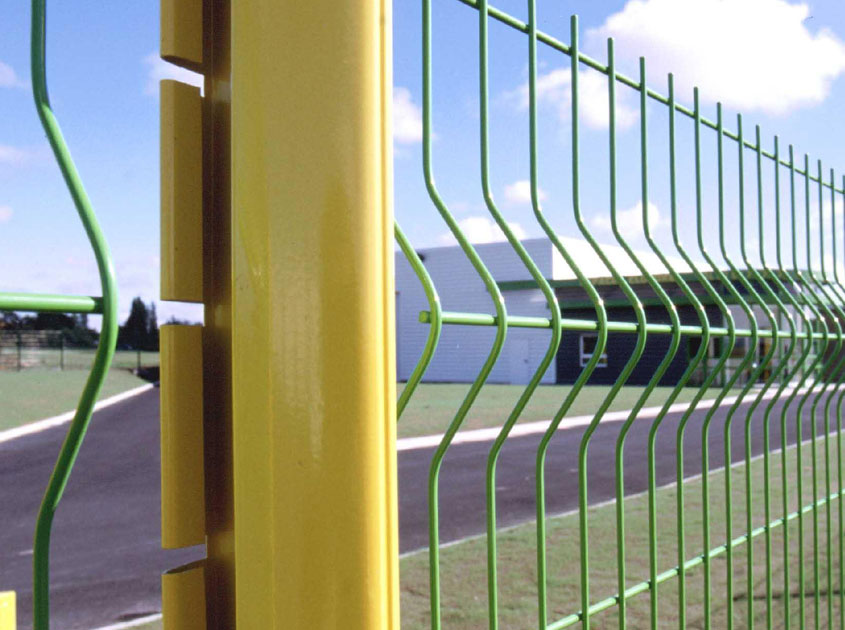
Welded Wire Fence Types, Sizes and Applications Guide
Pulished on Aug. 20, 2026
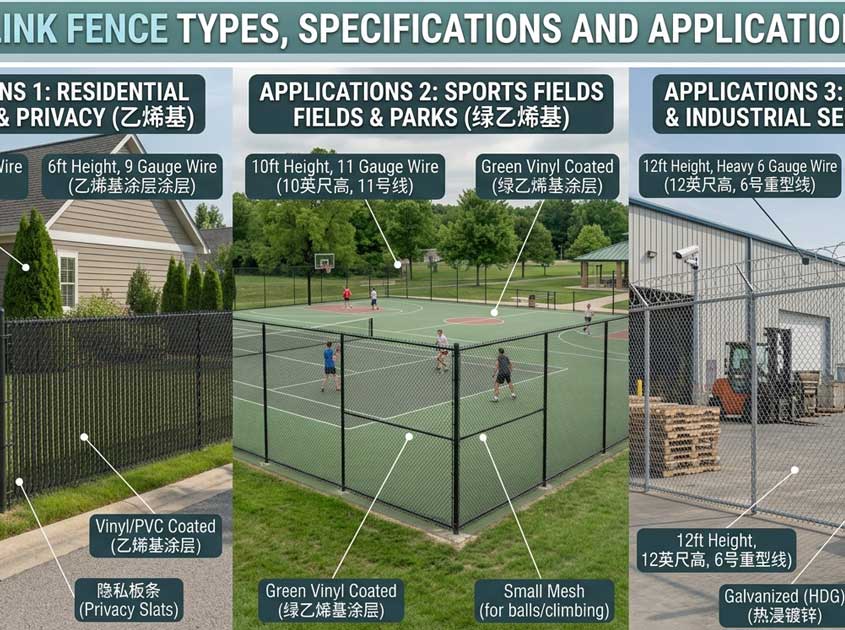
Chain Link Fence Types, Specifications and Applications Guide
Pulished on Aug. 12, 2026
How to Choose Farm Fence for Cattle and Horses: Wire, Height and Design Guide
Pulished on Sep. 23, 2026
How Is Chain Link Fence Made? Manufacturing Process and Components
Pulished on Sep. 18, 2026
358 Security Fence vs Chain Link Fence: Security, Cost and Application Comparison
Pulished on Sep. 15, 2026
Why Choose Welded Wire Fence for Security and Protection?
Pulished on Sep. 07, 2026
358 Security Fence Specifications and Applications Guide
Pulished on Aug. 27, 2026
What Is Farm Fence and What Are the Main Types?
Pulished on Aug. 26, 2026
Welded Wire Fence Types, Sizes and Applications Guide
Pulished on Aug. 20, 2026
Chain Link Fence Types, Specifications and Applications Guide
Pulished on Aug. 12, 2026